And yes, how to clean those reusable straws, too!
Katie Holdefehr is the associate editorial director at Real Simple. Glass Cup With Lid And Straw
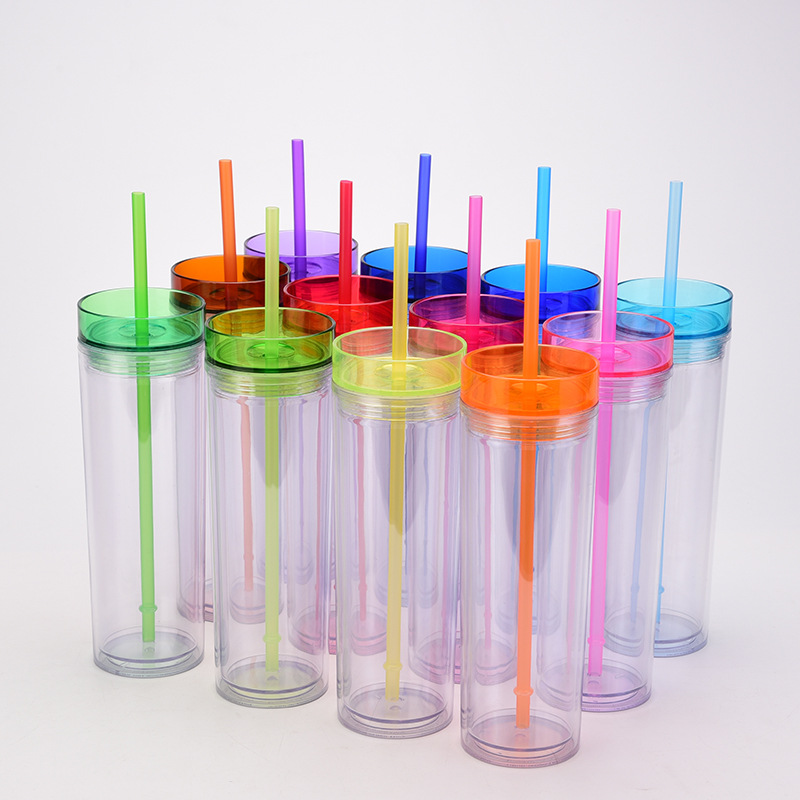
Reusable water bottles are better for the environment. Check! And they're way more stylish than plastic bottles. Check! And they're good for your health and hydration. Check—well, if you know how to clean a water bottle correctly, that is.
If your water bottle is dishwasher-safe (check the label for care instructions), place it on the top rack of the dishwasher and choose the hottest water setting. If not, you can clean a water bottle (and those reusable straws, too!) in less than five minutes. Just follow the simple steps outlined in one of the methods below.
While keeping a reusable water bottle close at hand during work and at the gym is an easy way to stay hydrated, if you fail to clean your water bottle, it could expose you to germs. The inside of a bottle is just the sort of damp, dark environment where bacteria love to grow, making it a perfect breeding ground for mold to proliferate.
In a 2022 study, when researchers tested water bottles for bacteria, they found that the average reusable water bottle contained 40,000 times more bacteria than a toilet seat. Even more troubling, that same study found that about 25 percent of Americans wash their water bottles only a few times a week. And nearly 15 percent of Americans clean their water bottles only a few times a month.
When it comes to collecting germs, not all reusable water bottles are alike. In a 2019 study, researchers tested the germ count on four types of reusable water bottles: slide top, squeeze top, straw top, and screw top.
They found that "the squeeze-top bottles had the most germs, with 99 percent harmful bacteria and 1 percent of bacteria that causes strep and staph. Screw-top bottles were the second grossest, with 98 percent harmful bacteria and about 2 percent of harmless bacteria." The study also found that straw tops were the least germy, with "8 percent of bacteria causing strep and staph and 92 percent of harmless bacteria."
If you can see a slimy gloss or smell a bad odor, your water bottle needs cleaning ASAP. The ideal frequency to wash your water bottle is daily if you use it regularly, and give it a deep cleaning once a week. If you're sick, or you've left the water bottle on the floor in a hot, sweat-filled gym or outside, clean it even more frequently.
For daily cleaning, you can simply use dish soap. If your bottle is made up of several parts, separate them before cleaning to make sure there isn't grime lurking in the crevices. Then follow these steps.
Fill the bottle with warm water and a squirt of dishwashing liquid. Replace the cap and shake the bottle.
Remove the cap. Using a bottle brush ($10, amazon.com), scrub the walls and bottom of the bottle. Be sure to clean not just the inside but also the lip of the bottle.
Scrub the lid or cap of your water bottle with warm water and dishwashing liquid.
Rinse the bottle and cap thoroughly. Because bacteria thrive in a moist environment, dry the bottle with a paper towel or a clean dish towel (or you'll risk spreading fresh bacteria onto the clean water bottle).
If you prefer to let the bottle air-dry, just be sure to leave the cap off, or else the trapped moisture will create an ideal environment for germs.
If your water bottle has a funky smell or you've neglected it for a little too long, it's time for deeper cleaning. One option, with no scrubbing required, is to use water bottle cleaning tablets ($8, amazon.com), which reviewers swear by for removing odor and grime. Otherwise, try this method:
Add one teaspoon of bleach and one teaspoon of baking soda to the bottle, then fill it with cool water. Let it sit overnight.
Rinse thoroughly with warm water before following the drying instructions above. If your water bottle is dishwasher friendly, run it through a dishwashing cycle as well.
If you're looking for a more natural solution, try vinegar. This cleaning agent is cheap and non-toxic, and, because it contains a large amount of acetic acid, it's effective at killing bacteria.
Fill the bottle halfway with vinegar, then add cool water. Let the mixture sit overnight.
Rinse and dry thoroughly with a paper towel or dishcloth. If possible, run the water bottle through the dishwasher.
With a solution of warm water and dishwashing liquid, use a straw cleaner ($7, amazon.com) to scrub away any gunk that may be inside each straw.
Rinse with warm water, or if the straws are dishwasher-safe, run them through the machine in the cutlery basket.
Try the rice technique. Fill your water bottle ¼ full with raw, uncooked rice. Add a squirt of dish soap and fill the rest of the bottle with hot water. Close up the bottle and shake vigorously. Pour out the contents, and rinse. Make sure all the rice has been rinsed out!
Squeeze-top bottles need to be cleaned frequently using the same methods detailed above. For an extra measure of cleaning, fill the bottle with hot, soapy water and squeeze it through the top. Then rinse with warm water.
Rtic Tumblers If there is sugar in the sports drink, it will accelerate the growth of bacteria inside the bottle. But if you are cleaning your bottle daily, this should not be a problem.